
The contract, in one sentence
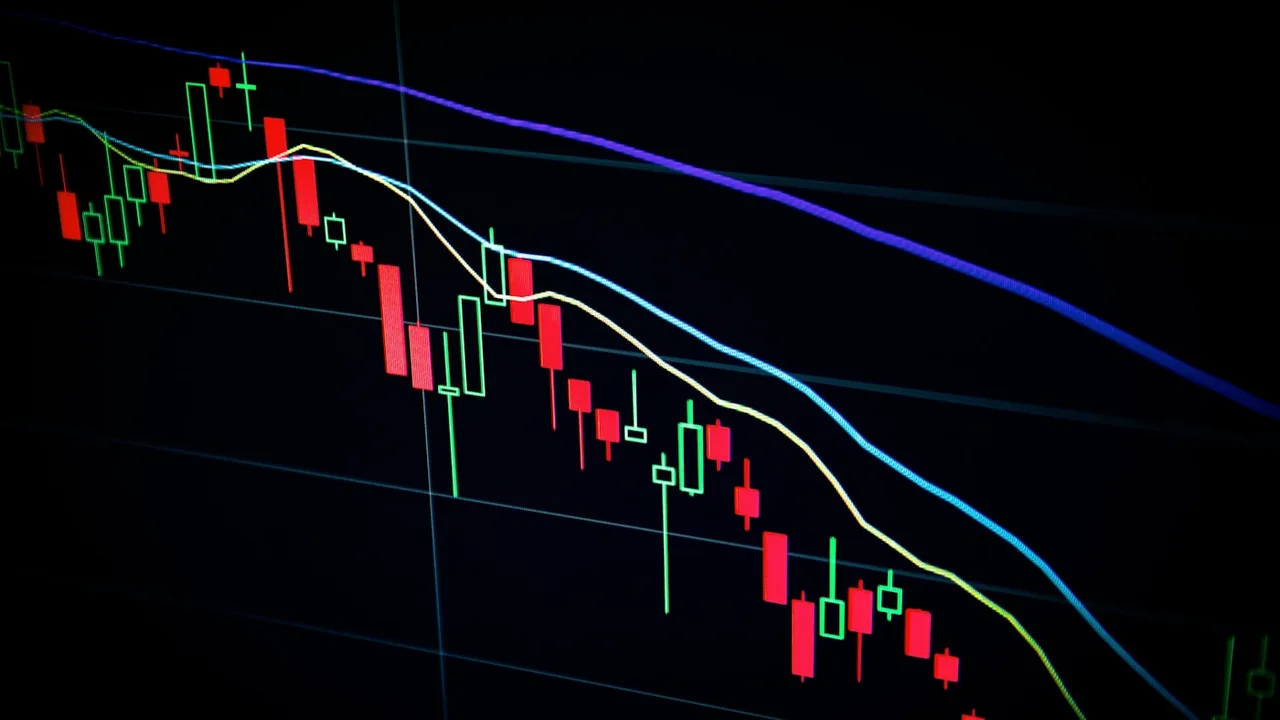
A CFD (Contract for Difference) is an agreement between you and the broker to exchange the price difference of an asset between the moment you open the position and the moment you close it. You do not buy the asset: you own no euros, no share, no ounce of gold. You own a contract whose value tracks the asset's price.
One example long… and the same one short
Suppose you trade 1 lot of EUR/USD (100,000 EUR exposure) buying at 1.1000. Close at 1.1050 and the difference is 50 pips ≈ 500 USD in your favour; close at 1.0950 and it is 500 USD against you. The CFD allows exactly the same to the downside: selling at 1.1000 without having bought first, profiting if price falls. That symmetry — trading both directions with equal ease — is the instrument's reason to exist.
Leverage does the rest: to open that 100,000 EUR position you do not need 100,000 EUR, only the margin your account requires. Profits and losses, however, are always computed on the full exposure.
What trading a CFD costs
- Spread: the difference between buy and sell price — the entry cost on commission-free accounts.
- Commission: on raw-spread accounts (Zero Spread, ECN PRO), a fixed per-lot fee replaces the higher spread.
- Swap: the adjustment for holding the position overnight, positive or negative depending on instrument and direction.
- Every number is published on the fees and spreads page.
The risks, without makeup
The main risk is the same as the main advantage: leverage amplifies losses just like gains, and in sharp moves you can lose your capital quickly. Also, since you do not own the asset, you do not hold its rights (actual dividends, voting) but contractual adjustments, and your counterparty is the broker — which is why it matters so much whom you trade with, how they hold funds and what execution policy they publish.
CFDs are active-trading instruments, not passive long-term investments: daily swap and leverage make them unsuitable for «buy and forget».
Who they make sense for
For those who want to trade price moves — up and down — across multiple markets from one account, with moderate starting capital and active risk management. If that is you, start small: the Cent account exists to learn the mechanics with limited absolute risk.